
West Surrey's draft scheme would cut help for 2,206 of Woking's 2,212 working-age claimants from April 2027, with a 15% minimum bill. Vote on 1 October.
Almost every working-age household in Woking that gets help with its council tax would get less of it from April 2027 under a draft scheme published on Tuesday.
The modelling puts the Woking figures at:
- 2,212 working-age households on council tax reduction today
- 2,206 of them worse off, or 99.7 per cent
- 6 better off
- none unchanged
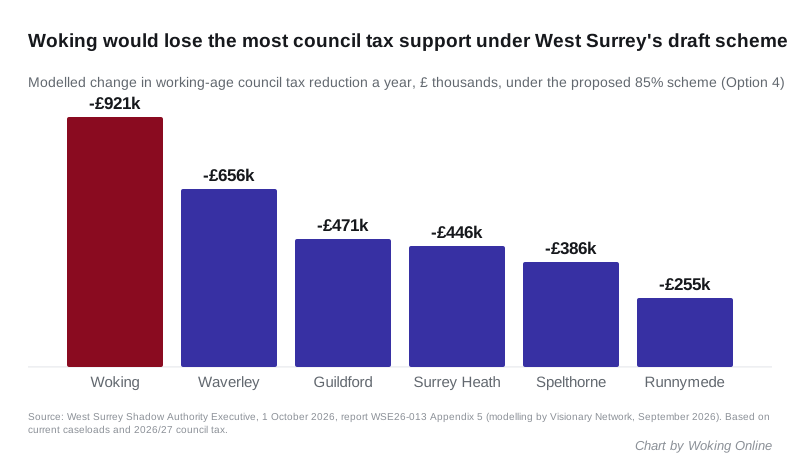
- £921,000 a year less support in total
That is the largest cut in money terms of the six boroughs that merge into West Surrey Council, and the highest share of claimants losing out (Appendix 5, options modelling).
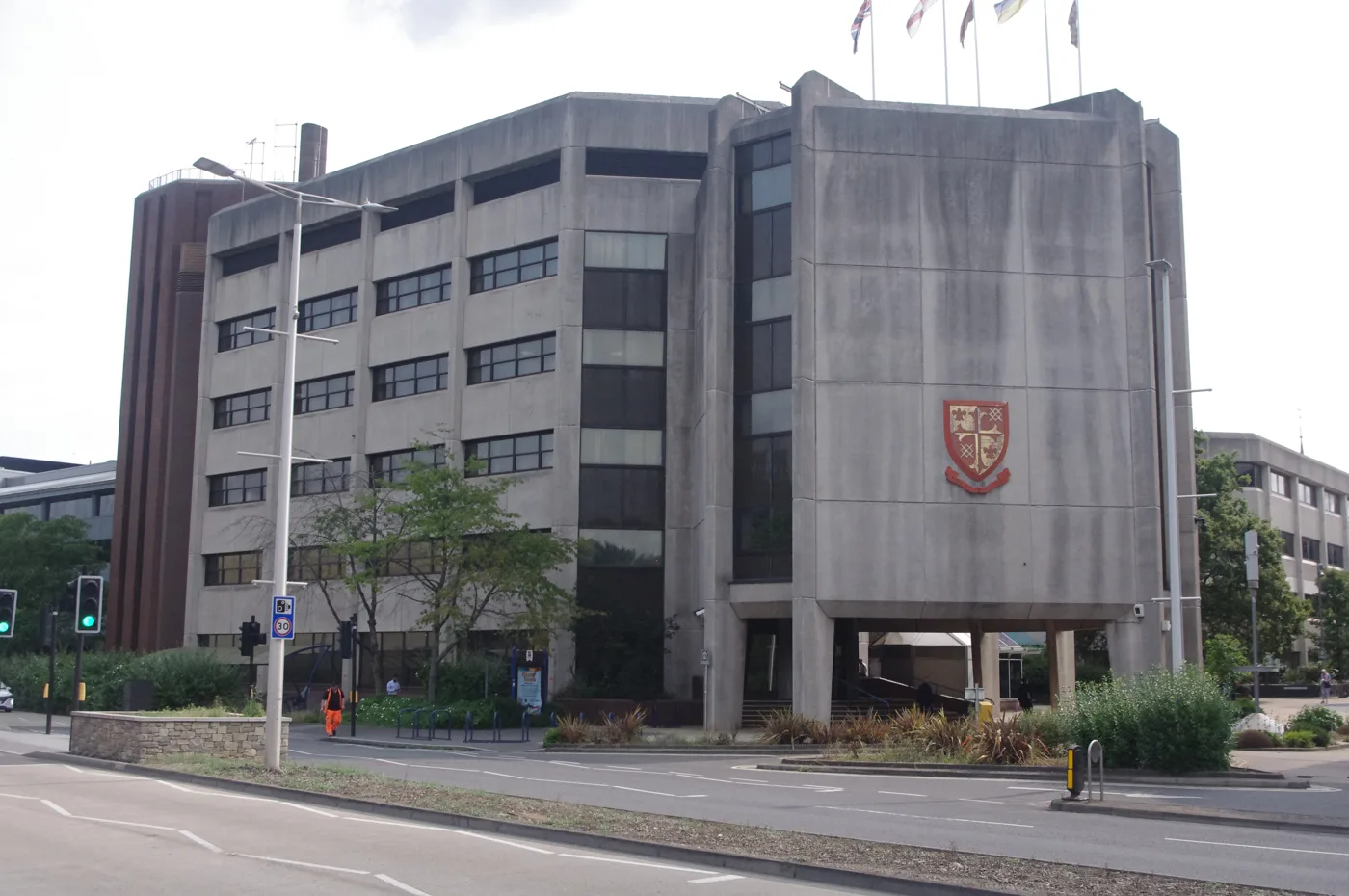
The West Surrey Shadow Authority Executive is asked on Thursday, 1 October, to send the draft out to public consultation. It meets at 9.30am in the Council Chamber at Woking’s Civic Offices (agenda). Pensioners are not affected. The draft says the pension-age scheme is set nationally and “is not altered by this proposal”.
What would change for Woking claimants
Woking runs its own scheme today. It pays up to 100 per cent of the bill for the lowest-income households (Appendix 6, comparative analysis). The draft replaces it with one set of rules across Guildford, Runnymede, Spelthorne, Surrey Heath, Waverley and Woking (Appendix 1, draft scheme).
| Rule | Woking now | Draft West Surrey scheme |
|---|---|---|
| Maximum support | 100% of the bill | 85% of the bill |
| Band cap | Band D | Band D |
| Savings limit | £10,000, with tariff income above £6,000 | £6,000, no tariff income below it |
| Other adults in the home | £5, £10.20, £12.80 or £15.35 a week, by their income | Flat £10 a week |
| Minimum award | None below £5 a week | No minimum |
| Self-employed | Actual profit | Assumed 35 hours at minimum wage after 12 months |
The biggest change is the 85 per cent ceiling. Someone who pays nothing today would have to pay 15 per cent of their bill.
The report works out an illustration from this year’s charges, not next year’s. Applying the same 15 per cent to Woking’s 2026/27 bills (Woking council tax bands) gives these minimum annual payments:
| Band | Full 2026/27 bill | 15% minimum |
|---|---|---|
| A | £1,732.03 | £259.80 |
| B | £2,020.70 | £303.11 |
| C | £2,309.37 | £346.41 |
| D | £2,598.04 | £389.71 |
These are our calculations, not the council’s. The 2027/28 West Surrey council tax has not been set, so the real figures will differ.
Some households lose more than the 15 per cent. Anyone with savings between £6,000 and £10,000 would lose their award entirely rather than have it reduced. Across West Surrey, 149 households are modelled to lose everything because of the lower savings limit.
Why Woking is hit hardest
In Runnymede, Spelthorne and Surrey Heath, between 16 and 26 per cent of claimants would gain, because the common means test changes how they are assessed. Woking’s scheme is already the kind the draft copies, but more generous. So there is almost nothing to gain and the ceiling falls on nearly everyone.
The report says so directly: “In Guildford, Waverley and Woking, almost the entire current caseload sees a reduction in levels of support.”
| Borough | Claimants | Worse off | Better off | Change a year |
|---|---|---|---|---|
| Woking | 2,212 | 2,206 | 6 | -£921k |
| Waverley | 2,265 | 2,243 | 1 | -£656k |
| Guildford | 1,750 | 1,733 | 13 | -£471k |
| Surrey Heath | 1,409 | 1,154 | 226 | -£446k |
| Spelthorne | 2,545 | 1,919 | 591 | -£386k |
| Runnymede | 1,993 | 1,428 | 512 | -£255k |
| West Surrey | 12,174 | 10,683 | 1,349 | -£3.134m |
The report does not give a typical loss for Woking alone. Across West Surrey, the median household that loses out would get about £24 a month less, or £258 a year. Nearly one in ten claimants would lose more than £50 a month.
Temporary protection is proposed only for claimants moving off the income-band schemes. The modelling identifies that group in Runnymede and Surrey Heath, so Woking claimants would not be covered. The draft says a separate discretionary route “may continue for exceptional individual hardship”.
Why they are doing it
The six current schemes cost about £19.4 million a year. The draft would cost about £16.3 million, a saving of £3.1 million (cover report).
The finance officer’s commentary says West Surrey “will be increasingly reliant on Council Tax as the primary source of income”. It also says there is “an increased risk of not collecting the total amount billed”.
Four options at 100, 95, 90 and 85 per cent were modelled. A 100 per cent scheme would cost about £199,000 a year more than today. Officers recommend consulting on 85 per cent.
That is a change of direction. When the shadow authority agreed to merge the schemes in July, the early modelling suggested harmonising would cost up to £2.5 million a year in lost council tax income. We reported that at the time in our first story on the scheme.
The timetable
| When | What |
|---|---|
| 1 October 2026 | Shadow executive decides whether to consult |
| October to December 2026 | Eight-week public consultation |
| November 2026 | Shadow overview and scrutiny committee reviews it |
| January 2027 | Final scheme agreed |
| February 2027 | 2027/28 bills calculated and sent |
| 1 April 2027 | New scheme starts |
The consultation plan promises online, paper, postal and telephone-assisted ways to respond (Appendix 2, consultation strategy). No launch date has been published.
What it means for you
- If you are over state pension age, your support is set by national rules and does not change.
- If you are working age and get council tax reduction in Woking, expect to pay at least 15 per cent of your bill from April 2027 if the draft goes ahead. Your 2026/27 award is not affected.
- If you have savings between £6,000 and £10,000, you could lose your award completely.
- If an adult son, daughter or lodger lives with you, the deduction for them would become a flat £10 a week.
- If you are self-employed, you could be assessed as earning 35 hours a week at the minimum wage once you have traded for a year.
The consultation is the only point where residents can change this. Nothing is final until January. We will report Thursday’s decision and publish the consultation link when it opens.
Have your say